The Top Wellness and Self-Care Trends Transforming Lives in 2026
Embracing a New Era of Personal Well-Being
In the fast-paced landscape of the United States, the definition of self-care has evolved significantly as we move through 2026. Gone are the days when wellness was merely synonymous with occasional spa visits or bubble baths. Today, it is a comprehensive, data-driven, and deeply personal journey that integrates mental resilience, physical longevity, and digital boundaries. As Americans navigate the complexities of modern life, the focus has shifted toward proactive health management and sustainable lifestyle choices that honor both the mind and the body. This guide explores the most impactful wellness trends currently reshaping our daily routines across the nation.
1. The Rise of Bio-Individual Nutrition
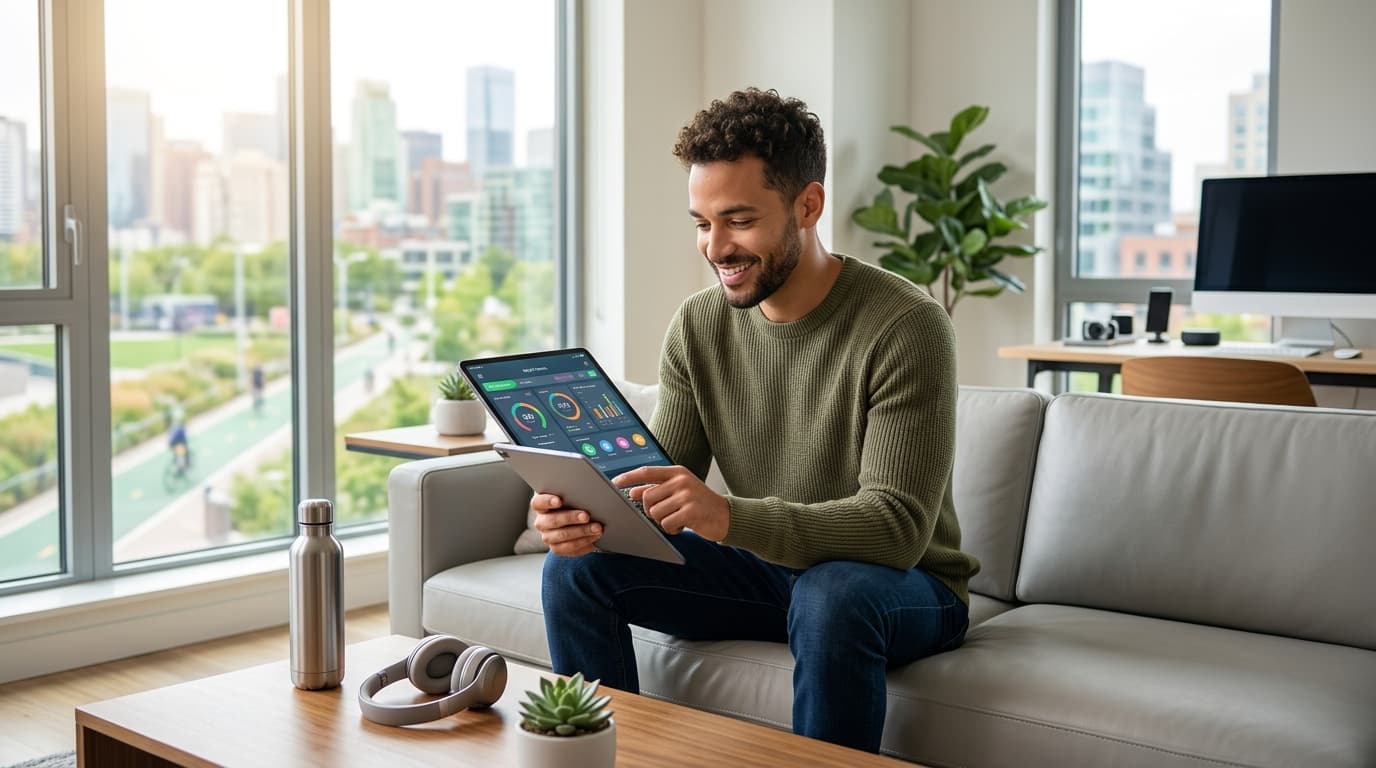
One of the most significant shifts in 2026 is the movement away from one-size-fits-all diet plans. Americans are increasingly turning toward bio-individual nutrition, which utilizes advanced wearable technology and at-home blood testing to understand exactly what their bodies need. Instead of following generic trends, individuals are leveraging continuous glucose monitors (CGMs) to see how specific foods impact their energy levels and metabolic health in real time. This data-driven approach allows for personalized meal planning that optimizes blood sugar stability and sustained focus throughout the workday. Whether you are in New York City or Los Angeles, local wellness clinics are now offering personalized nutrition coaching based on these specific biometric insights, making health optimization more accessible than ever before.
2. Mental Fitness and Cognitive Longevity
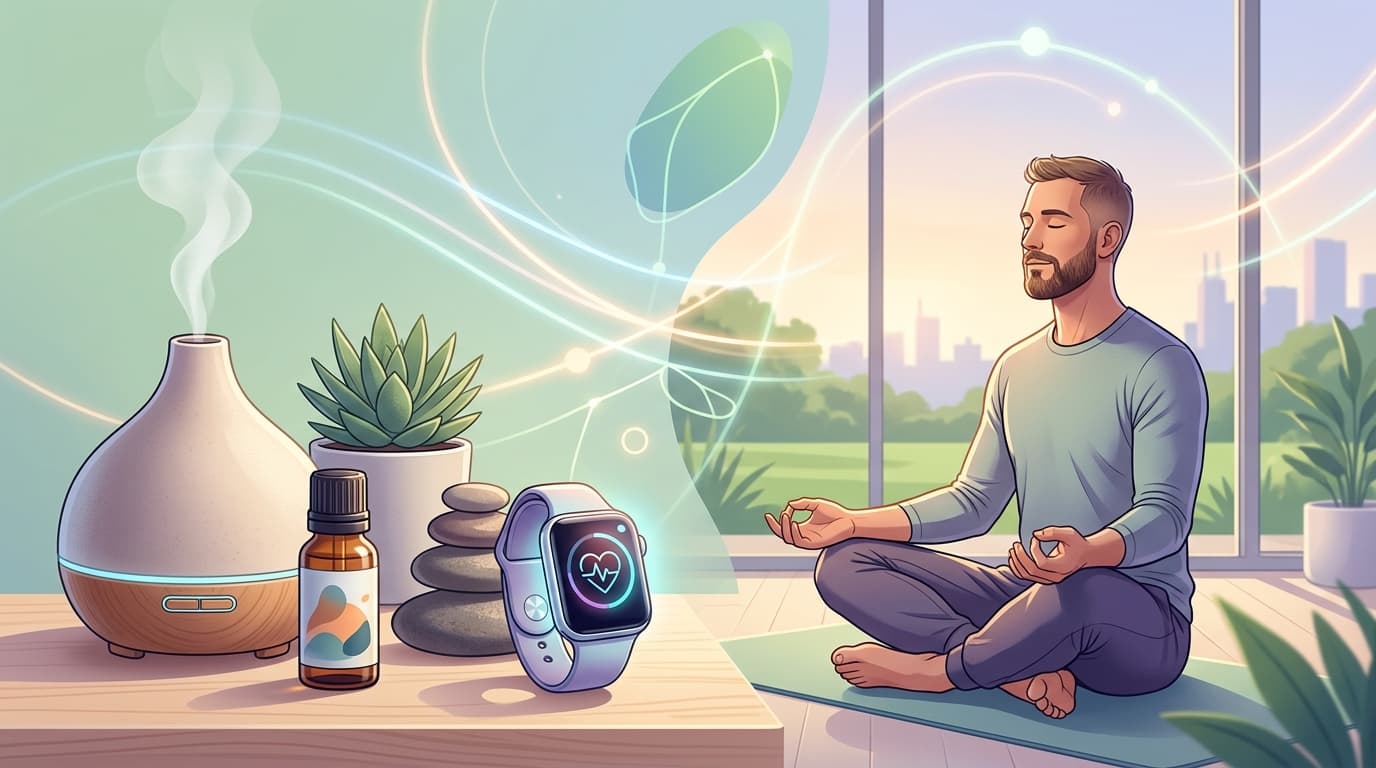
Mental health has transitioned from a reactive necessity to a proactive practice. In 2026, the term 'mental fitness' is becoming as common as physical gym training. This involves daily cognitive exercises, mindfulness meditation, and neuro-feedback sessions designed to improve focus, memory, and emotional regulation. We are seeing a surge in popularity for 'brain health' supplements and guided digital programs that cater to the high-stress demands of the American workforce. Companies are increasingly integrating these practices into corporate wellness programs, acknowledging that a sharp mind is just as vital as a healthy heart. From subscription-based meditation apps to local community workshops, the tools to maintain cognitive longevity are woven into the fabric of our everyday lives.
3. The 'Slow Productivity' Movement
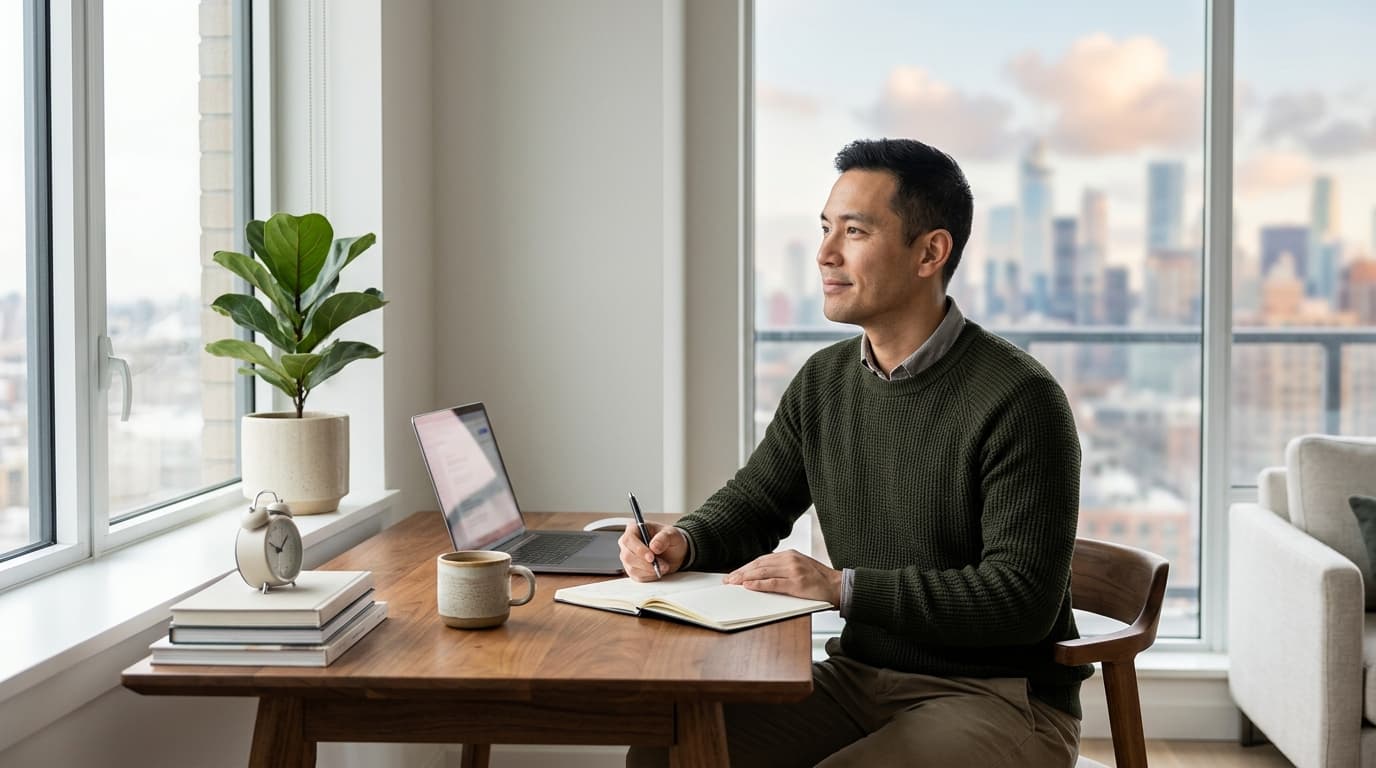
As burnout rates remain a concern, the 'slow productivity' movement has gained substantial traction. This philosophy encourages individuals to prioritize deep, meaningful work over the constant, frantic pace of multitasking. By setting clear boundaries and intentional periods of rest, professionals are finding that they can achieve more while experiencing significantly less stress. This trend is manifesting in the American home through dedicated 'unplugging' hours, where families and individuals disconnect from digital devices to reconnect with nature or hobbies. It is a pushback against the 'hustle culture' that dominated previous years, replacing it with a sustainable rhythm that values quality of output over the sheer volume of tasks completed.
4. Functional Fitness and Mobility Training
In 2026, the fitness industry is pivoting away from high-intensity, joint-taxing workouts toward functional fitness and mobility training. The goal is no longer just about aesthetics; it is about building a body that can move pain-free for decades to come. Yoga-inspired mobility routines, Pilates, and strength training focused on movement patterns are becoming the gold standard. Across the United States, boutique fitness studios are focusing on 'longevity training'—workouts that prioritize balance, stability, and joint health. This shift is particularly popular among aging populations and younger adults alike, who recognize that physical freedom is the true currency of wellness. Whether it is through local park meetups or high-end gym memberships, the emphasis is on longevity-focused movement.
5. Circadian Rhythm Optimization
Understanding the body's internal clock has become a cornerstone of modern self-care. Circadian rhythm optimization involves aligning daily habits—such as meal timing, light exposure, and sleep schedules—with the body’s natural biological cycles. In 2026, many Americans are investing in smart lighting systems that mimic the natural shifts of sunlight throughout the day to boost serotonin production in the morning and support melatonin release in the evening. By syncing our lives with the sun, individuals are reporting better sleep quality, improved mood, and higher productivity. It is a simple yet profound adjustment that recognizes our biology is not meant to operate on a 24-hour artificial schedule.
6. Community-Based Wellness
Self-care is no longer a solitary endeavor. The 2026 landscape highlights a massive growth in community-based wellness initiatives. From run clubs and hiking groups to collaborative wellness retreats, people are seeking connection as a form of healing. Social isolation has been identified as a significant health risk, and the response has been a surge in local clubs that combine physical activity with social interaction. In cities across the country, community centers are hosting 'wellness collectives' where neighbors support each other's goals, share healthy recipes, and engage in group stress-reduction activities. This sense of belonging is proving to be just as effective for mental health as professional therapy, creating a supportive ecosystem for long-term growth.
7. Nature Immersion and 'Green Prescriptions'
The healing power of nature is being formalized in the wellness sector through 'green prescriptions.' Healthcare providers are increasingly recommending time spent in nature to manage anxiety and blood pressure. The trend of 'forest bathing' or simply spending intentional time in public parks has become a standard self-care ritual. In the United States, urban planning initiatives are prioritizing green spaces, recognizing that access to nature is a public health necessity. Whether it is a weekend trip to a national forest or a daily walk through a local botanical garden, the act of grounding oneself in the natural world provides a much-needed respite from the digital noise of modern life.
8. The Evolution of Sleep Hygiene
Sleep is finally receiving the respect it deserves. No longer viewed as a 'luxury' or a waste of time, high-quality sleep is now recognized as the foundation of all wellness. In 2026, the market for sleep technology has exploded, with cooling mattresses, smart sleep trackers, and sound-masking devices becoming household staples. Beyond gadgets, there is a cultural shift toward respecting sleep boundaries. Professionals are increasingly comfortable stating they are 'off the clock' and prioritizing their nighttime routine. This commitment to restorative sleep is helping Americans combat the chronic fatigue that has plagued the workforce for years, leading to better decision-making and improved emotional stability.
Conclusion: Making Wellness Yours
As we navigate the remainder of 2026, it is important to remember that true wellness is not about achieving perfection. It is about experimentation and finding what works for your unique lifestyle. The trends mentioned here—from bio-individual nutrition to community connection—are tools designed to help you live a more vibrant and fulfilling life. The key is to start small. Choose one area where you feel your current routine could use an upgrade, and commit to a consistent, sustainable change. Whether it is improving your sleep hygiene, joining a local walking group, or simply being more intentional with your digital usage, your journey toward better health is a personal one. By embracing these modern wellness practices, you are not just keeping up with trends; you are investing in your future self. Stay curious, stay connected, and prioritize your well-being every single day. The path to a healthier life in the United States is more accessible than ever, provided you take that first step toward intentional, conscious living. Remember, wellness is a marathon, not a sprint, and every positive choice you make contributes to the long-term vitality that you deserve.
Related Articles
Explore more articles you might like