The New American Way: How Consumer Lifestyle Habits Are Transforming in 2026
The Evolution of the American Consumer in 2026
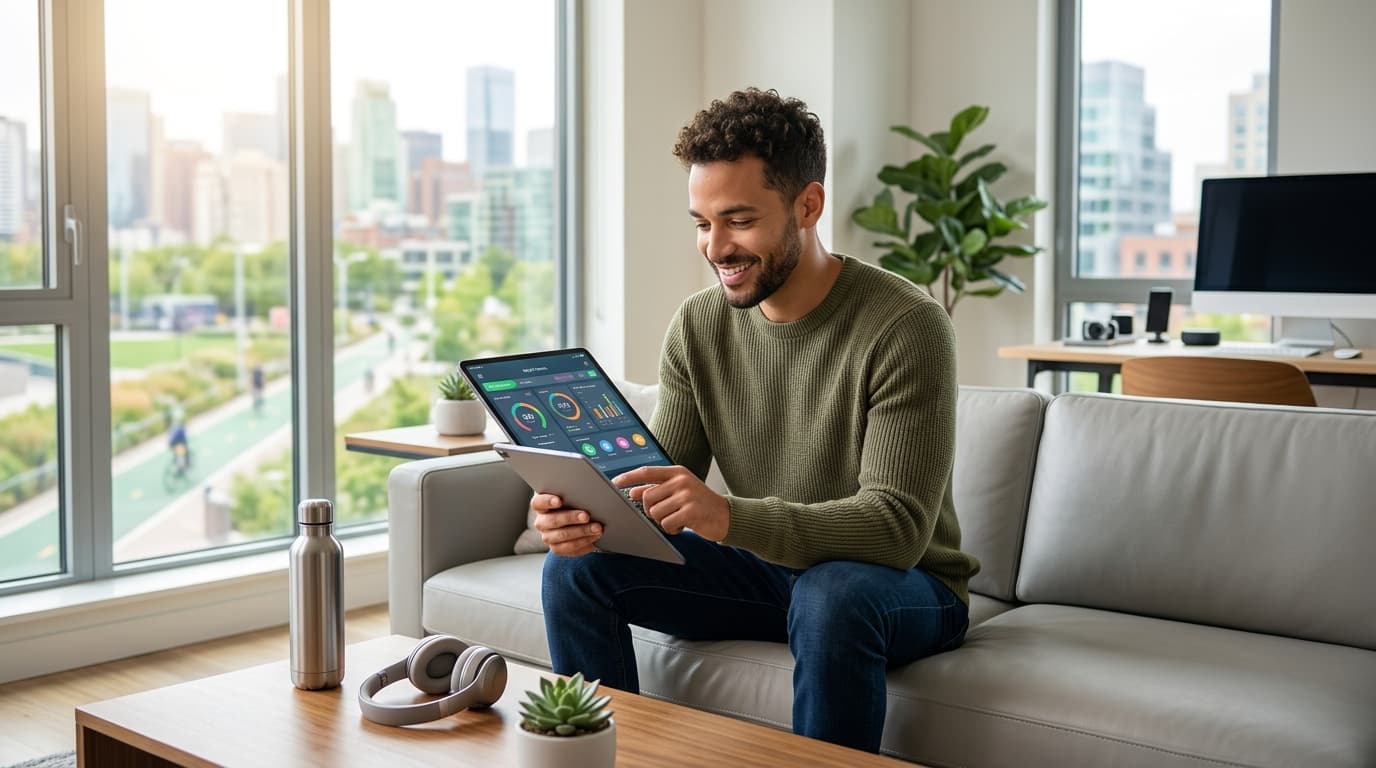
In the United States, the way we live, shop, and interact with brands has undergone a profound metamorphosis. As we navigate through 2026, it is clear that the traditional patterns of consumption are no longer the standard. Today's American consumer is defined by a complex blend of tech-savviness, a deep-seated desire for sustainability, and a heightened focus on personal well-being. Understanding these shifts is essential for anyone looking to grasp the current economic and social pulse of the nation.
The Rise of the Conscious Consumer
One of the most significant changes observed in 2026 is the rapid rise of the conscious consumer. Americans are no longer just looking at the price tag; they are looking at the values behind the product. From the aisles of major retailers to the digital storefronts of boutique brands, there is a clear preference for companies that demonstrate environmental stewardship and ethical labor practices. Whether it is choosing locally sourced produce at a farmer’s market in the Midwest or opting for carbon-neutral shipping on major e-commerce platforms, the modern American shopper is voting with their wallet.
This shift is not merely a trend; it is a fundamental change in how value is perceived. Consumers are increasingly skeptical of 'greenwashing' and are conducting more research than ever before. In 2026, transparency is the new currency. Brands that fail to disclose their supply chain practices or provide clear documentation of their environmental impact are finding it increasingly difficult to compete in the crowded U.S. marketplace.
Digital Integration and the 'Phygital' Experience
The boundary between the physical and digital worlds has effectively dissolved. In 2026, the term 'phygital' has become a staple in retail strategy. Americans expect a seamless transition between browsing on a mobile app and picking up an item in a local store. This expectation has forced retailers to invest heavily in omnichannel experiences. We see this in the proliferation of 'buy online, pick up in-store' (BOPIS) services, which have become a non-negotiable feature for top-tier retail chains across the United States.
Furthermore, social commerce has reached a new peak. The integration of one-click purchasing within social media platforms means that the journey from inspiration to acquisition is instantaneous. Influencer marketing has also shifted; audiences in 2026 are gravitating toward micro-influencers—individuals with smaller, more niche followings who offer authentic, relatable advice rather than polished, overly commercialized endorsements. This shift toward authenticity is a direct reaction to the saturation of traditional digital advertising.
Prioritizing Wellness and Experience Over Possession
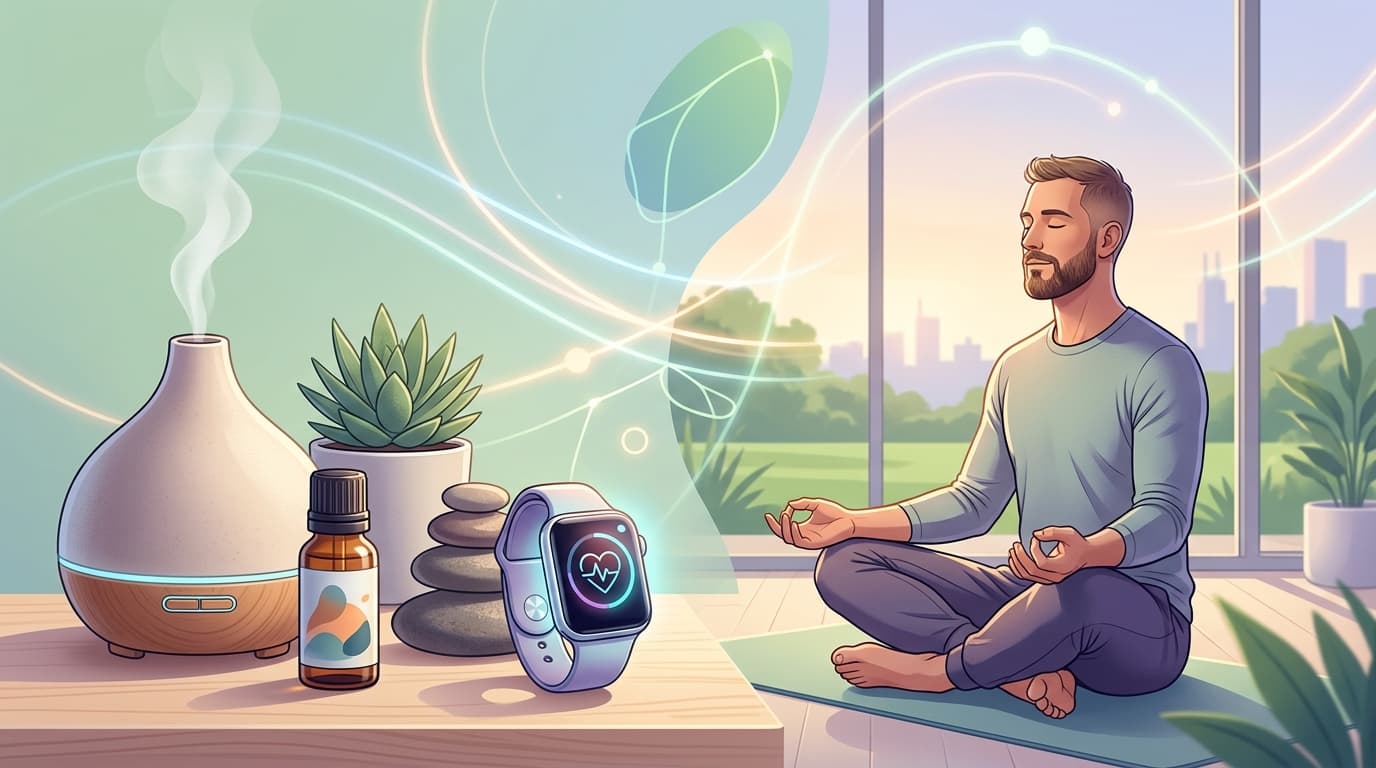
The American dream is being redefined. For many, especially Gen Z and Millennials, the focus has moved away from the accumulation of physical goods toward the accumulation of experiences and health-oriented lifestyle choices. This is evident in the booming wellness industry, which in 2026, encompasses everything from mental health apps and personalized nutrition plans to the rise of 'slow living' retreats across the country.
Instead of purchasing another item for the closet, consumers are investing in subscriptions that provide ongoing value, such as fitness memberships, educational courses, and meal-kit services that prioritize health. This subscription-based economy reflects a desire for convenience and personalization. Americans want products and services that feel 'made for me.' Whether it is a skincare regimen tailored to a specific genetic profile or a financial investment strategy managed by AI, personalization is the benchmark for satisfaction in 2026.
The Impact of Economic Realities on Habits
Despite a focus on values and wellness, the economic climate of 2026 still plays a massive role in shaping consumer behavior. Inflationary pressures have made Americans more strategic with their spending. We are seeing a resurgence of 'smart shopping'—the use of browser extensions to find the best coupons, the participation in loyalty programs that offer actual savings, and the rise of the resale market. Platforms that facilitate the buying and selling of pre-owned goods, from clothing to high-end electronics, are seeing record-breaking engagement as consumers seek both value and sustainability.
This frugality, however, is not born out of desperation but out of intentionality. Consumers are choosing to spend less on impulse buys so they can spend more on quality items that offer longevity. The 'throwaway culture' of previous decades is being replaced by a 'buy it for life' mentality, particularly in categories like home goods, furniture, and apparel.
The Role of Community and Localism
Finally, there is a renewed interest in localism. In 2026, there is a distinct pride in supporting the local economy. Whether it is a small-town coffee roaster or a regional clothing manufacturer, consumers are making a conscious effort to keep their dollars within their own communities. This is partly a response to the globalization fatigue that has set in over the last few years. Americans are finding comfort in the tangible, the local, and the human-centric.
This community-driven behavior extends to digital spaces as well. Online forums, neighborhood apps, and local social media groups are becoming the primary sources of product recommendations. When a neighbor suggests a local contractor or a specific brand of organic soap, it carries more weight than any high-budget television commercial ever could. Trust has become localized.
Conclusion: Navigating the Future
As we look at the landscape of 2026, it is evident that consumer lifestyle habits are becoming more complex, more intentional, and more digitally integrated than ever before. The American consumer is a discerning, value-driven individual who demands authenticity, convenience, and a positive impact on the world around them. For businesses, the path forward is clear: move beyond transactional relationships and aim for meaningful, long-term engagement. For the consumer, it is an era of empowerment, where the ability to curate one’s lifestyle has never been greater. By understanding these shifts, we can better appreciate how the American way of life continues to evolve in response to a rapidly changing global environment.
Related Articles
Explore more articles you might like