The Future of Remote and Hybrid Work: Navigating the 2026 Workplace Evolution
The New Normal: Redefining Professional Landscapes in 2026
As we navigate through 2026, the global conversation surrounding remote and hybrid work has shifted from a reactionary measure to a sophisticated strategic pillar of American business. The initial turbulence that defined the early days of distributed teams has settled, giving way to a mature, data-driven approach that prioritizes flexibility, productivity, and organizational health. For business leaders and employees across the United States, the current landscape represents a permanent transformation of the corporate contract. It is no longer about whether we work remotely, but how we optimize these models to drive sustainable growth and employee retention.
The Current State of Hybrid Models
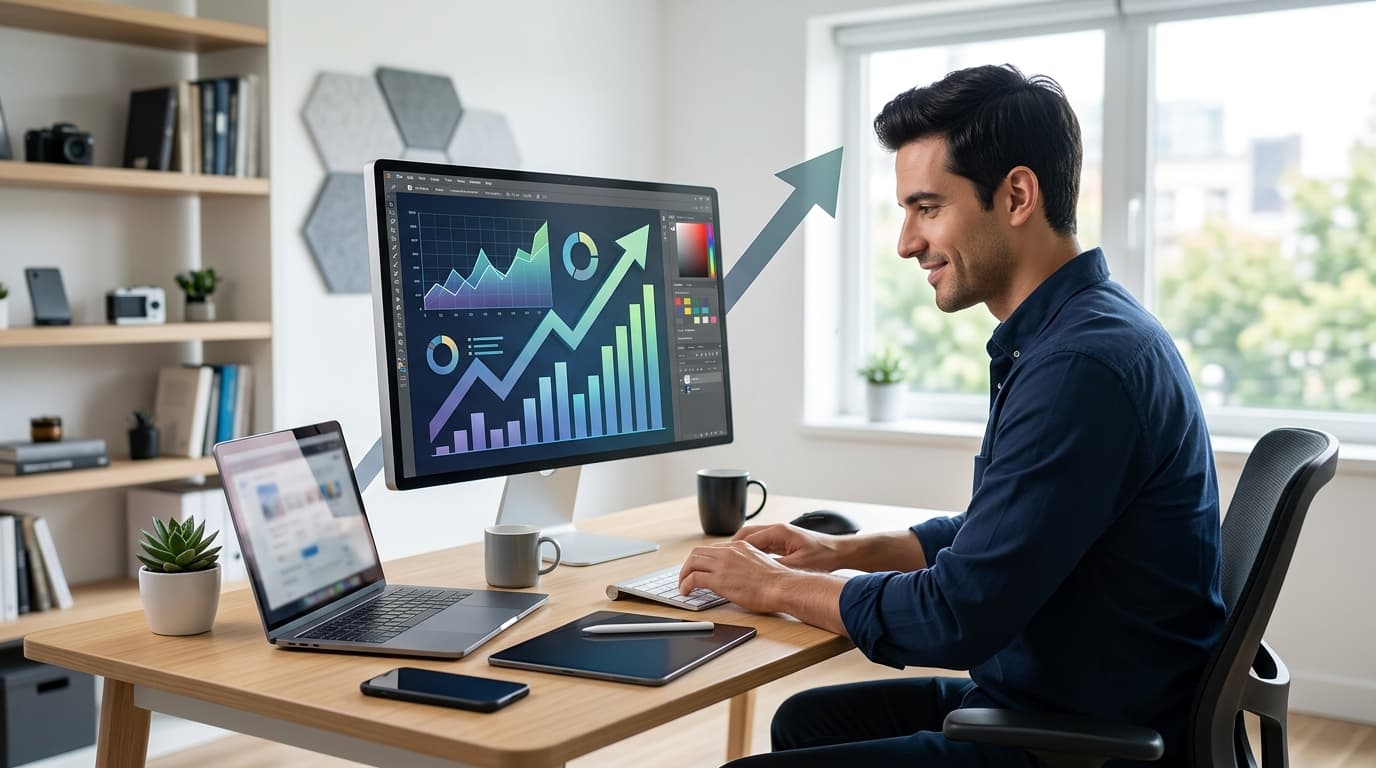
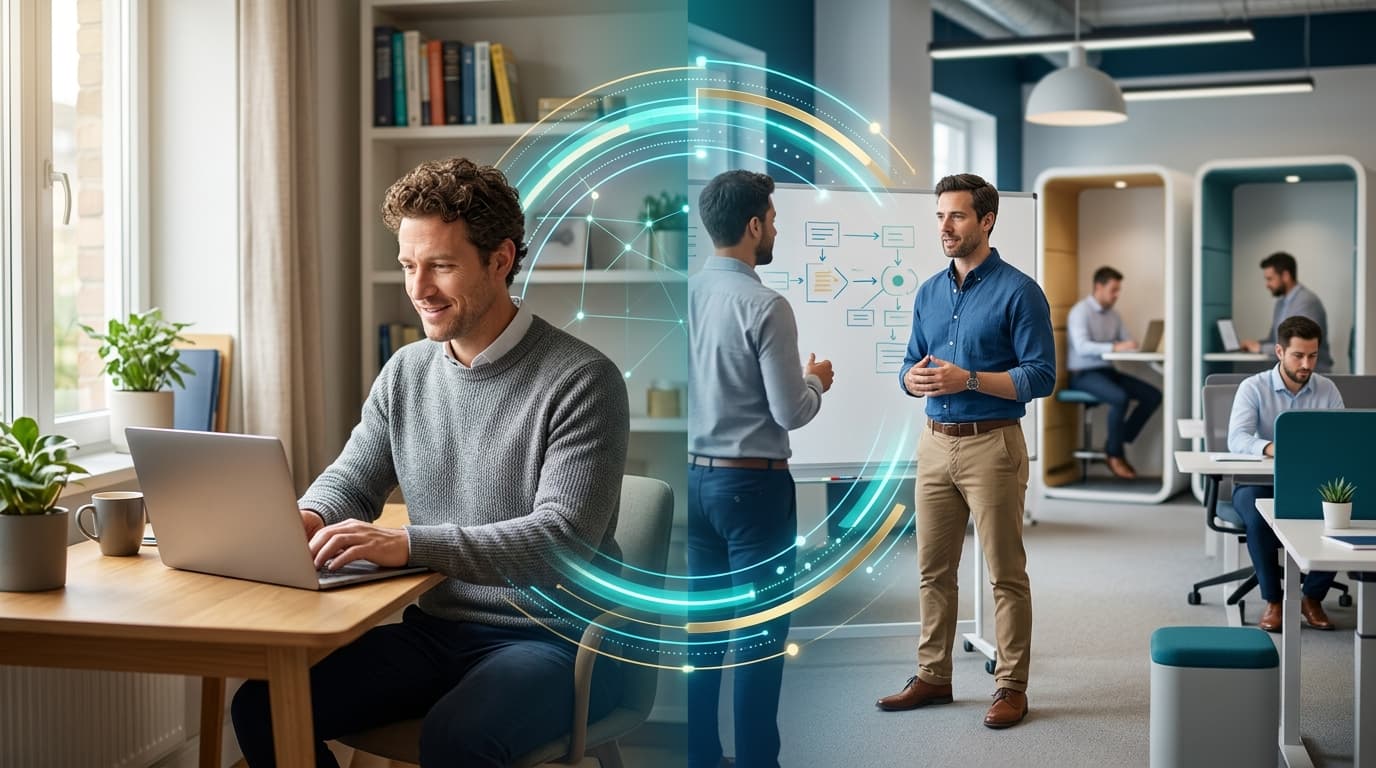
In 2026, the hybrid model has emerged as the clear winner in the corporate sector. Most Fortune 500 companies in the United States have adopted a structured hybrid cadence, often requiring three days in the office to foster innovation and cultural cohesion, while allowing two days of remote focus. This equilibrium addresses the primary pain points of the past: the isolation of pure remote work and the rigidity of the traditional nine-to-five desk-bound routine. By leveraging advanced collaboration software and asynchronous communication tools, businesses are discovering that physical presence is best reserved for high-impact activities such as strategic brainstorming, team bonding, and sensitive performance reviews.
The Role of Technology in Decentralized Operations
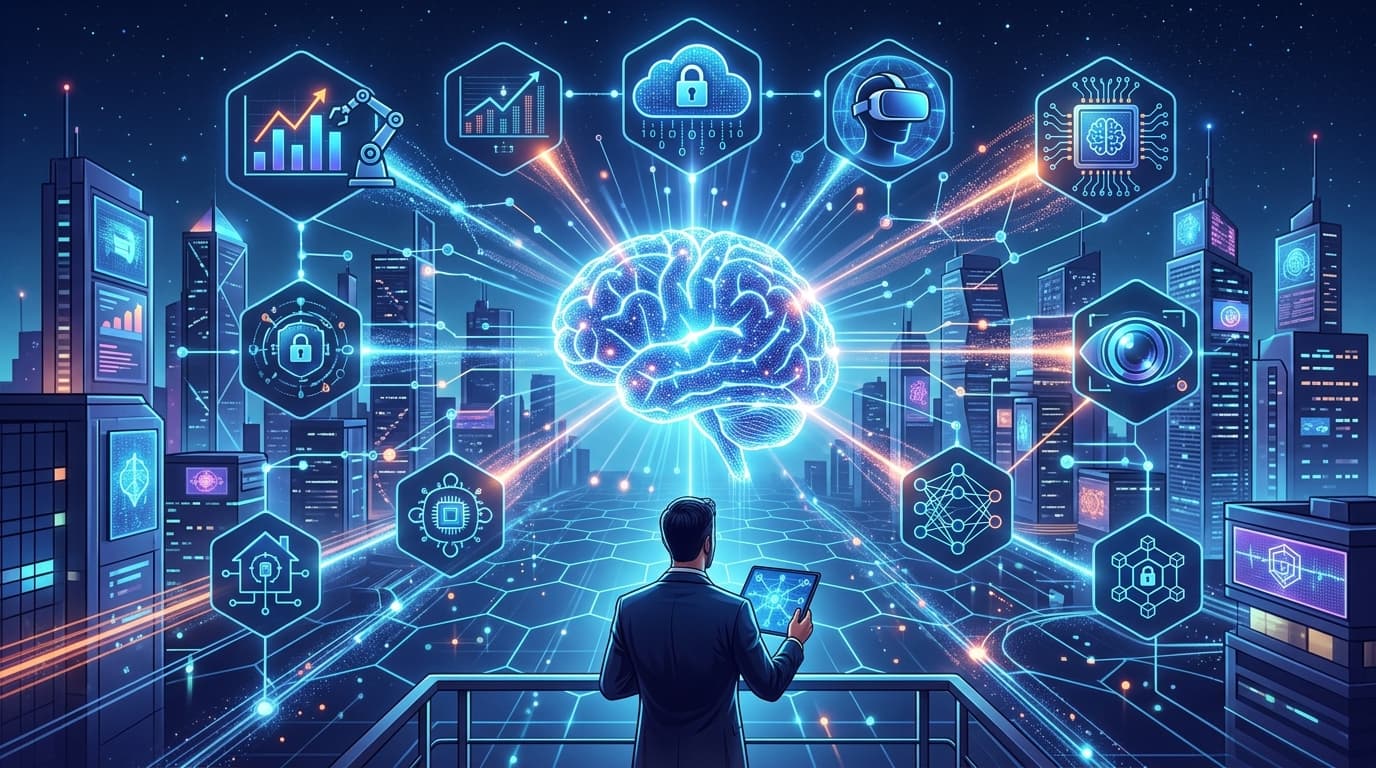
Technological advancement is the bedrock of this shift. In 2026, we are seeing the widespread integration of spatial computing and immersive virtual meeting environments that far surpass the flat video calls of previous years. These tools are reducing the friction of remote communication, allowing team members in New York to collaborate with colleagues in Los Angeles as if they were sitting in the same conference room. Furthermore, cybersecurity has become a boardroom priority. With the workforce distributed across thousands of home offices, the adoption of zero-trust architecture and AI-driven threat detection has become non-negotiable for protecting corporate intellectual property.
Financial Implications for Businesses and Employees
From a financial perspective, the transition to hybrid work has fundamentally altered corporate balance sheets. Organizations are significantly reducing their real estate footprints, shifting capital from expensive urban office leases toward investments in digital infrastructure and employee wellness programs. In major markets like Chicago, San Francisco, and New York, this trend has forced a reimagining of commercial real estate, pushing developers to convert office space into versatile, amenity-rich hubs that justify the commute. For employees, the financial impact is equally profound. While some have relocated to lower-cost-of-living areas, many are reinvesting the money once spent on daily commuting, professional wardrobes, and expensive city lunches into home office upgrades and personal financial stability.
Tax and Compliance Considerations
Navigating the tax implications of a distributed workforce remains a complex challenge in 2026. With employees moving across state lines more frequently, HR departments are partnering closely with finance teams to manage multi-state tax nexus and compliance issues. The evolving nature of state labor laws means that businesses must be agile, ensuring that their payroll and benefits packages remain competitive and legally sound regardless of where their talent is physically located. This administrative complexity is why many small-to-medium enterprises are turning to specialized PEO (Professional Employer Organization) services to manage the burden of compliance in an increasingly fluid labor market.
Cultivating Culture in a Digital-First Environment
One of the most persistent concerns for management in 2026 is the maintenance of corporate culture. When team members rarely see each other in person, the traditional methods of culture building—such as office holiday parties or impromptu hallway chats—are insufficient. Instead, companies are investing in deliberate, intentional culture-building exercises. This includes off-site retreats, virtual team-building workshops, and the creation of digital 'water coolers' where employees can connect on non-work topics. The most successful organizations are those that treat culture as a deliberate design feature rather than an accidental byproduct of proximity.
The Importance of Asynchronous Communication
To succeed in a hybrid world, organizations must master the art of asynchronous communication. By moving away from a culture of constant 'always-on' availability, companies can empower employees to manage their time more effectively. This shift acknowledges that peak productivity occurs at different times for different people. By prioritizing documentation and clear, written workflows over back-to-back video meetings, companies are seeing a measurable increase in individual output and a decrease in employee burnout. This approach also democratizes the workplace, ensuring that introverted team members or those in different time zones have an equal opportunity to contribute to discussions.
The Future of Talent Acquisition and Retention
The geography of recruitment has been permanently dismantled. In 2026, top-tier talent in the United States expects the flexibility to choose where they work. Companies that insist on full-time, in-office attendance are finding themselves at a significant disadvantage in the war for talent. By embracing remote-first or remote-friendly policies, firms can tap into a national—and even global—talent pool, allowing them to hire the best person for the job rather than the best person within a thirty-mile radius of the headquarters. This shift is also promoting diversity and inclusion, as it allows individuals with caregiving responsibilities, disabilities, or geographic constraints to participate fully in the workforce.
Measuring Performance in a Hybrid World
The shift toward results-oriented management is perhaps the most significant cultural change of 2026. Managers are moving away from tracking hours at a desk and toward measuring outcomes and KPIs. This requires a higher level of trust and clarity in goal setting. When performance is tied to specific, measurable deliverables, the physical location of the worker becomes irrelevant. This maturity in management style is fostering a more professional and autonomous workforce, where employees are judged by the quality and impact of their work rather than their visibility in the office.
Challenges and the Path Forward
Despite the benefits, the hybrid model is not without its challenges. The potential for a 'two-tier' workforce—where those who come into the office more frequently receive more favorable assignments or promotions—is a real risk that leaders must actively manage. To combat this, companies are implementing 'proximity bias' training and ensuring that remote employees have equal access to mentorship and career development opportunities. Furthermore, the blurring of lines between home and work remains a concern. Without the physical commute to act as a buffer, many employees find it difficult to 'switch off,' leading to potential long-term exhaustion. Promoting a culture that respects boundaries and encourages time away from screens is essential for sustainable growth.
Looking Toward 2027 and Beyond
As we look toward the future, it is clear that the workplace will continue to evolve. We expect to see further refinement of the hybrid model, with companies experimenting with four-day work weeks, micro-offices, and enhanced collaborative technology. The goal remains the same: to create an environment that supports the needs of the business while respecting the autonomy of the individual. The companies that thrive in the coming years will be those that remain flexible, prioritize clear communication, and invest in the human element of the workplace, regardless of where that work happens to take place.
Conclusion
The transformation of the American workplace is one of the defining business narratives of our time. By 2026, we have moved past the initial shock of the transition and are now living in a world of refined, intentional hybrid work. While the challenges of maintaining culture, ensuring compliance, and managing performance remain, the opportunities for increased productivity, talent acquisition, and employee satisfaction are immense. The businesses that lead in this new era will be those that embrace the complexity of the hybrid model as a competitive advantage. By focusing on outcomes, investing in the right technology, and fostering a culture of trust and transparency, organizations can build a resilient, future-ready workforce that is prepared for whatever the next decade may bring. The future of work is not a destination; it is a continuous process of adaptation, learning, and growth, and we are only just beginning to see the full potential of this decentralized professional reality.
Related Articles
Explore more articles you might like