The Future of Connected Devices and Smart Homes: What to Expect in 2026
The Evolution of Living: Smart Homes in 2026
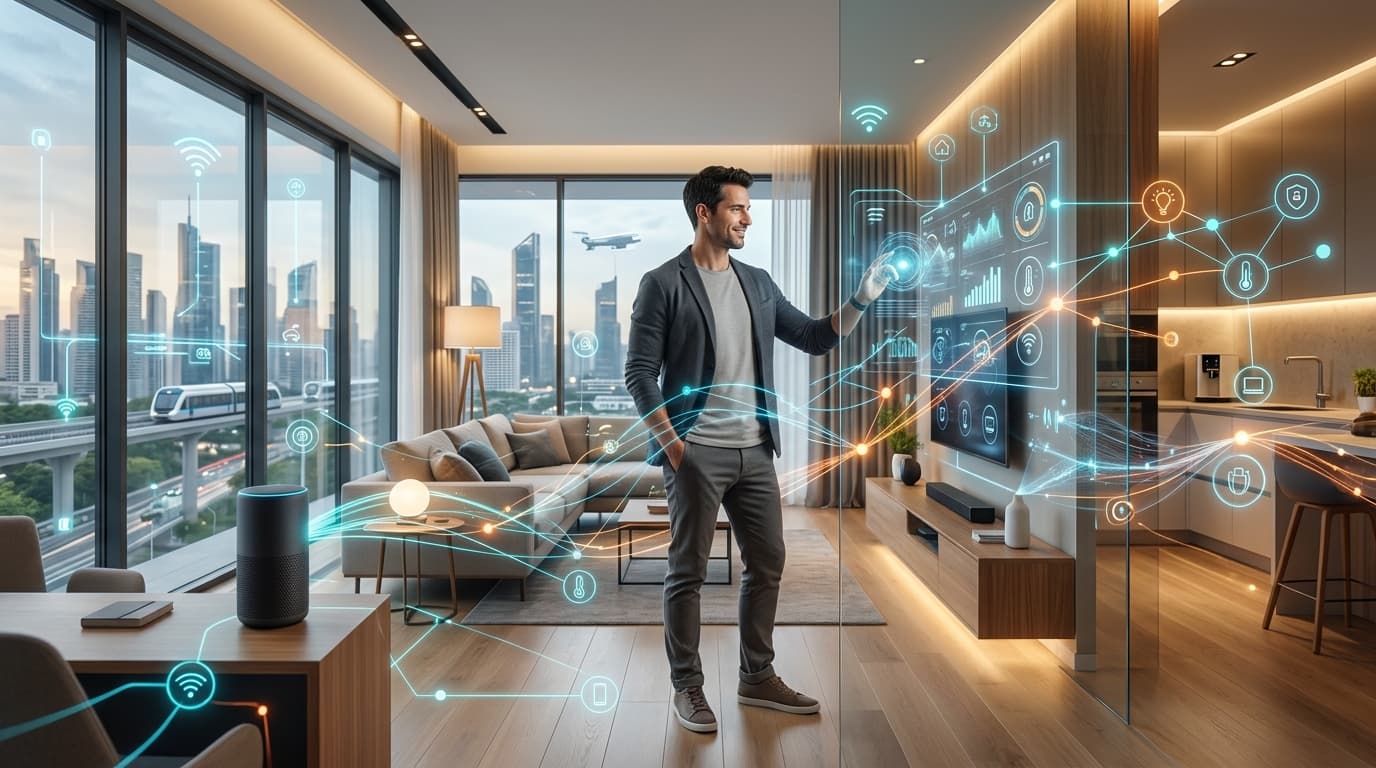
As we navigate through 2026, the concept of the smart home has shifted from a luxury hobbyist pursuit into a fundamental pillar of modern American living. What was once a fragmented collection of gadgets—disconnected light bulbs, temperamental thermostats, and voice assistants that struggled to understand context—has evolved into a cohesive, intelligent ecosystem. Today, our homes are not just connected; they are predictive, proactive, and deeply integrated into our daily routines. The future is no longer a distant promise; it is the reality of our current living spaces.
The Power of Interoperability: The Matter Standard
For years, the biggest hurdle for smart home adoption in the United States was the lack of compatibility between brands. If you bought a smart lock that used one protocol, it often refused to speak to your lighting system. However, in 2026, the widespread adoption of the Matter standard has fundamentally changed the landscape. Consumers across the US can now purchase devices with the confidence that they will work seamlessly with platforms like Apple Home, Amazon Alexa, and Google Home.
This interoperability has paved the way for a more unified experience. Imagine walking into your home in Chicago after a long day of work. Your smart lock recognizes your arrival, disarms the security system, adjusts the thermostat to your preferred temperature, and begins playing your favorite playlist—all because your devices finally speak the same language. This level of synchronization is the hallmark of the 2026 smart home experience, reducing the friction that previously discouraged many homeowners from automating their properties.
AI-Driven Proactivity
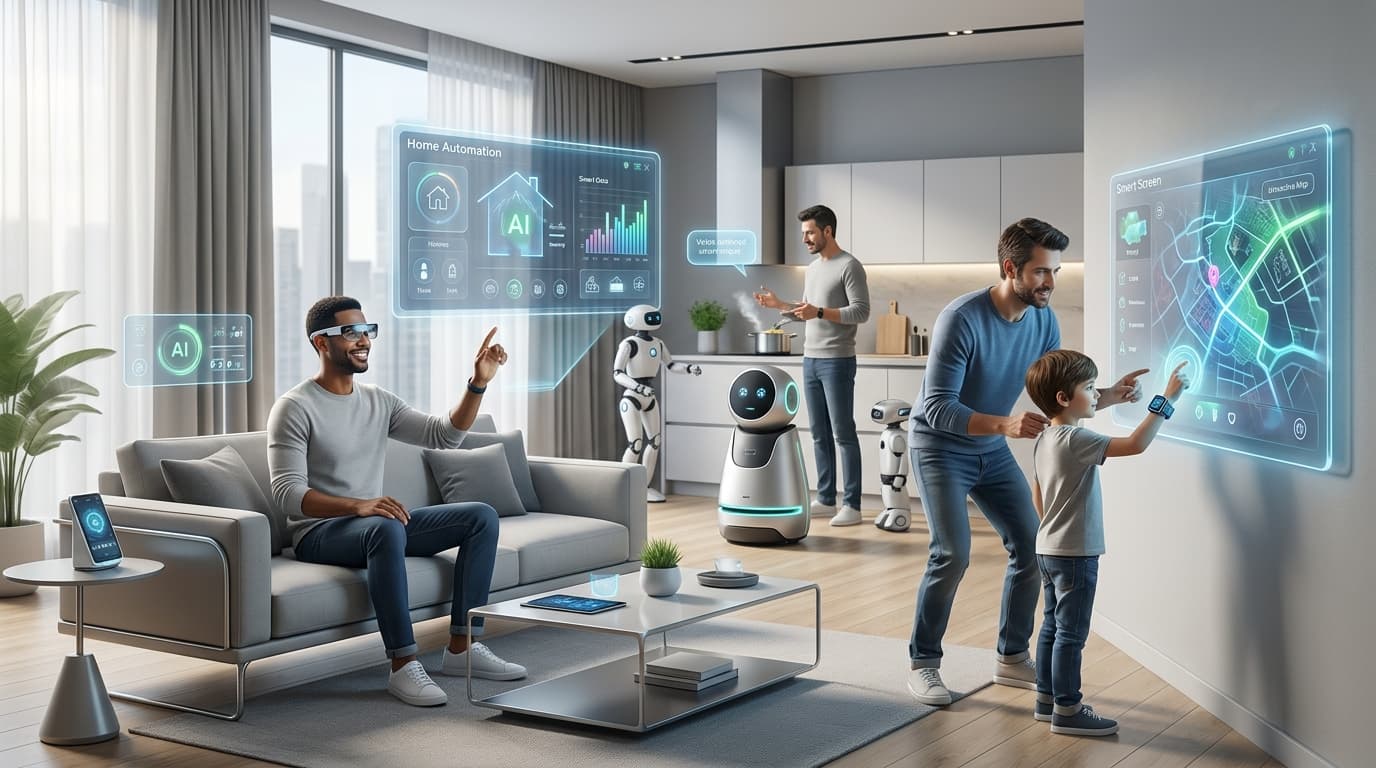
The most significant advancement we are witnessing in 2026 is the integration of generative AI into home management. We have moved beyond voice commands and into the era of anticipation. Smart homes now leverage local machine learning models that observe your habits without compromising your privacy. Instead of waiting for you to tell it to turn off the lights, your home learns that you typically go to sleep at 11:00 PM on weekdays and adjusts the house accordingly.
Energy efficiency is also seeing a massive boost. In many US states, grid demand response programs are now automatically communicating with home appliances. During peak energy hours in the summer, your refrigerator, HVAC system, and dishwasher coordinate to minimize power consumption, potentially saving the average American family hundreds of dollars on their annual utility bills. This is not just about convenience; it is about sustainability and responsible consumption in an era where energy costs remain a top concern for households.
Security and Privacy: The New Standards
With more devices connected to the internet than ever before, security has become the primary design philosophy. In 2026, manufacturers have shifted toward 'privacy-by-design.' Most smart devices now perform data processing locally on the hardware rather than relying solely on cloud servers. This reduces the risk of data breaches and ensures that your personal information—such as your daily schedule or video feeds from your doorbell—stays within your four walls.
Furthermore, biometric security has become standard. Smart locks now utilize advanced facial recognition or fingerprint scanning, removing the need for physical keys or complex codes. For homeowners, this means enhanced peace of mind. You can grant temporary access to delivery drivers or service contractors via your smartphone, with the system creating a secure, time-limited digital key that expires automatically once the task is complete.
The Health-Centric Home
Perhaps the most exciting development in 2026 is the transformation of the home into a health and wellness hub. Connected devices are no longer just about entertainment or temperature control; they are actively monitoring your well-being. Smart mirrors can analyze your skin health, while smart flooring can detect changes in gait that might indicate a fall risk for elderly residents. Air quality sensors have become ubiquitous in US homes, automatically triggering purification systems when wildfire smoke or allergens are detected.
These health-centric features provide a preventative approach to healthcare. By sharing non-sensitive, aggregated data with your primary care provider, your smart home could eventually alert you to potential health issues before they become emergencies. This intersection of IoT technology and telemedicine is helping Americans live independently for longer, transforming our houses into supportive environments that care for their inhabitants.
The Path Forward
As we look toward the remainder of 2026 and beyond, the trend is clear: the smart home is becoming invisible. The best technology is the kind that you don't have to think about. It works in the background, making life safer, more efficient, and more enjoyable. While there are still challenges to overcome, particularly regarding high-speed internet accessibility in rural areas of the United States, the trajectory is undeniably positive.
Whether you are a tech enthusiast looking to upgrade your setup or a homeowner wanting to save on energy costs, the ecosystem available in 2026 offers something for everyone. We are witnessing a revolution in how we interact with our living spaces. The home of the future is not just a place where we sleep; it is an active participant in our lives, designed to support our goals, protect our families, and simplify our daily existence. By embracing these advancements, we are not just buying gadgets; we are investing in a more comfortable and sustainable way of life for years to come.
Related Articles
Explore more articles you might like